
Many traders underestimate the impact of a reliable infrastructure on their Forex trading success. Using a high-performance Virtual Private Server (VPS) can significantly enhance your trading efficiency by providing lower latency, superior uptime, and uninterrupted access to the market. This guide will walk you through the key advantages of employing a VPS and how it can help you execute trades faster and more effectively, minimizing risks and maximizing your potential profits in the volatile Forex market.
Key Takeaways:
- High-Speed Connectivity: A VPS (Virtual Private Server) offers ultra-fast internet connections that reduce latency, ensuring your trades execute swiftly without delays.
- 24/7 Uptime: With a VPS, your trading platform remains online continuously, allowing you to capitalize on global market movements at any time without interruption.
- Enhanced Security: VPS solutions provide robust security features, protecting your trading data and personal information from cyber threats.
- Customizable Resources: A high-performance VPS can be tailored to meet your specific trading needs, offering the necessary CPU, RAM, and storage for efficient trading operations.
- Automated Trading Capabilities: Implement automated trading strategies with ease, as a VPS can run your trading algorithms round-the-clock without requiring your local machine to be on.
- Backup and Recovery Options: Many VPS providers offer automatic backups, ensuring your trading data is safe and easily recoverable in case of hardware failure or data loss.
- Scalability: As your trading needs grow, a VPS can easily scale up its resources to accommodate increased demand, making it a flexible solution for traders.

Understanding VPS in Forex Trading
Before venturing into the world of Forex trading, it is important to understand the role of a Virtual Private Server (VPS) in enhancing your trading experience. A VPS is a virtual machine that acts like a dedicated server within a larger physical server. This technology enables you to run your trading platforms 24/7 without interruptions from your personal computer, enhancing your ability to execute trades efficiently, regardless of your local computer’s status or internet connection quality.
What is a VPS?
Little known to many traders, a VPS provides a stable environment where you can host trading applications and strategies. Unlike conventional hosting methods, where performance can fluctuate based on local conditions, a VPS offers dedicated resources. This setup is crucial for maintaining the rapid execution of trades that can make or break your profits in the volatile Forex market.
Benefits of Using a VPS for Forex Trading
For Forex traders, a VPS comes with a multitude of advantages that directly impact your trading success. First, it significantly reduces latency, allowing your trade orders to be executed faster than they would if you were relying solely on your local machine. Additionally, a VPS operates independently from your home internet connection, ensuring your trading activities remain uninterrupted even during power outages or network failures.
With a high-performance VPS, you are likely to experience improved execution speeds, seamless automation of your trading strategies, and advanced security features. This not only enhances your trading efficiency but also ensures that your sensitive data is protected against various cyber threats.
Key Features to Look for in a High-Performance VPS
With countless VPS providers available, it’s important to identify which features are vital for your Forex trading needs. A high-performance VPS should have:
- Low Latency – Ensures faster execution of trades with minimal delay.
- High Uptime – Guarantees that your server is operational 99.9% of the time.
- Robust Security – Protects your trading data from cyber threats and unauthorized access.
- Scalable Resources – Allows you to adjust CPU, RAM, and disk space based on your trading requirements.
- 24/7 Customer Support – Provides assistance whenever you encounter technical issues.
After narrowing down your options, you’ll want to ensure the VPS can handle the unique demands of Forex trading, especially during high volatility periods.
With the right key features, a VPS can be tailored to meet your specific trading style, leading to a more efficient and profitable trading experience. Look for:
- Multiple Operating System Options – Compatibility with various trading software.
- Backups and Recovery Options – Safeguards your important data in case of server failure.
- Geographically Diverse Locations – Minimizes latency by hosting your VPS close to your Forex broker’s servers.
- Dedicated IP Address – Reduces the risk of being flagged or blocked due to shared IPs.
After you’ve assessed these features, your trading efficiency can significantly improve, allowing you to take full advantage of the lucrative opportunities that the Forex market offers.
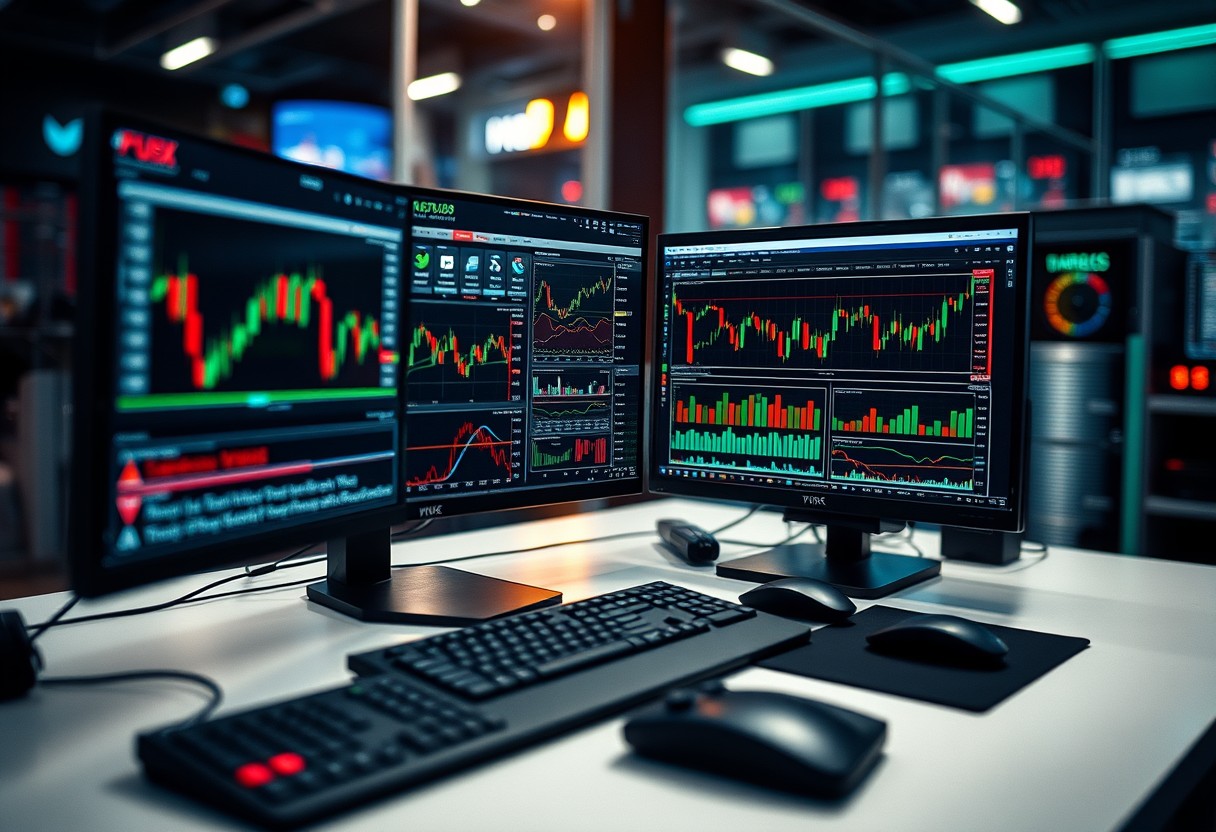
How to Choose the Right VPS for Forex Trading
Clearly, selecting the appropriate VPS for your Forex trading needs can significantly enhance your trading efficiency and success rates. With numerous options available in the market, understanding the critical factors that influence your choice can lead you toward the most effective solution for your trading strategy.
Evaluating Server Locations
On a crucial note, the server’s physical location can impact your trading performance. When you choose a VPS, consider its proximity to your broker’s trading infrastructure. A VPS located near your broker will generally reduce latency, allowing for quicker order executions and more reliable trade management. This reduced lag time can ultimately mean the difference between profit and loss, especially in a fast-paced trading environment.
Additionally, you should check whether the VPS provider has multiple server locations available. This flexibility can enable you to switch your server to a different location if you experience any performance issues or if your trading strategy changes. Make a wise choice by opting for a VPS provider that prioritizes strategically advantageous server locations tailored for Forex trading.
Assessing Bandwidth and Speed
Even though a low latency connection might be your primary concern, bandwidth and overall connection speed are also paramount for ensuring smooth operation. A VPS with limited bandwidth can slow down your trading activities, affecting your ability to respond to market changes swiftly. You want to ensure that the VPS you choose can handle sufficient bandwidth for your expected trading volume.
In today’s fast-paced trading market, your connection speed can impact the execution of trades, particularly when using automated trading systems. A slow connection can lead to delayed orders, resulting in increased slippage, which can be financially detrimental. Therefore, when assessing VPS options, focus on those that offer high bandwidth and speed guarantees to optimize your overall trading experience.
To further understand this, many VPS providers offer performance metrics and uptime guarantees as part of their marketing materials. This information can be helpful, but it’s wise to rely on unbiased reviews and testimonials from fellow traders to gauge performance under real trading conditions. Do your homework to create a dependable trading environment.
Importance of Uptime and Reliability
Assuming you are relying on your Forex trading for income or serious investments, you need a VPS provider that promises maximum uptime. The ability for your VPS to remain operational without interruptions is critical, as downtime can lead to missed opportunities and lost profits. Look for VPS providers that offer at least a 99.9% uptime guarantee, as this reliability can mean the difference between a successful trading strategy and a problematic one.
Moreover, the reliability of your VPS means more than just uptime; it also encompasses the provider’s response to potential issues. Evaluate the customer support services offered by the VPS provider. A responsive support team can quickly resolve any unexpected problems, ensuring you maintain a reliable connection during crucial trading moments. This level of support is invaluable to protect your trading investments.
Evaluating these factors will allow you to pinpoint providers that prioritize uptime and reliability, giving you peace of mind as you execute your trades.
Understanding Pricing Plans
Evaluating the pricing plans of various VPS providers can help you align your budget with your trading needs. Some providers offer wide-ranging pricing tiers based on the service’s features. Make sure to assess what you get for each price point, including speed, bandwidth, and additional features like security and customer support. This can help ensure that you are receiving value for your investment, particularly in the dynamic landscape of Forex trading.
Also, keep an eye out for additional costs that may arise down the road. Some VPS providers may lure you in with a low initial cost but then charge hefty fees for resources or services you might require later. Explore pricing plans thoroughly and ensure that the total cost fits within your budget without limiting the quality of service. Transparency in pricing is something you should certainly prioritize.
Uptime and reliability are generally indicators of a VPS’s performance; however, they often come at a price. It’s imperative to strike a balance between your desired uptime, features, and your available budget to select the VPS that supports your Forex trading ambitions without breaking the bank.
Setting Up Your VPS for Forex Trading
Not just any VPS will do when it comes to Forex trading. The right setup can significantly enhance your trading efficiency and provide you with a competitive edge in this fast-paced market. Focus on optimizing your VPS by following key initial configuration steps that will prepare your system for smooth operation and maximum responsiveness.
Initial Configuration Steps
One of the first things you should do after purchasing your VPS is to configure it according to your trading needs. Begin by adjusting the system settings such as processor allocation and memory utilization. These parameters are crucial since a high-performance VPS must be able to handle multiple tasks simultaneously without lagging. Additionally, ensure that your VPS is located in close proximity to your broker’s server; this can greatly reduce latency and enhance order execution speeds.
Next, it’s imperative to update your operating system and install any necessary software that will support your trading activities. Regular updates help in maintaining security and performance, while specific software can improve your trading strategy implementations. Remember that the goal is to create a stable environment that minimizes downtime and allows for optimal trading operations.
Installing Trading Platforms (MT4, MT5, etc.)
With your VPS set up and configured, the next step is to install your preferred trading platforms, such as MT4 or MT5. These platforms are widely used in Forex trading due to their robust features and user-friendly interfaces. Download the installation files and follow the straightforward setup process, ensuring you configure them to your specific trading style and preferences.
Platforms like MT4 and MT5 not only provide you with imperative trading tools but also allow you to access your trades from different devices without compromising convenience. When configuring these platforms on your VPS, you can set them to run 24/7, offering you uninterrupted trading even when your personal devices are turned off. This ensures you’re always in the market, making the most out of lucrative opportunities as they arise.
Setting Up Security Features
Little should be left to chance when it comes to securing your trading environment. As Forex trading involves significant financial transactions, you must implement robust security measures on your VPS to protect your data and investments. Start by enabling a firewall and configuring it to block any unauthorized access. Additionally, consider disabling unnecessary services that could be potential entry points for cyber threats.
Furthermore, enabling two-factor authentication can add an extra layer of security to your trading platforms. This means that even if your login credentials are compromised, a second verification step will prevent unauthorized access, protecting your account. As trading involves both risk and reward, remember that taking proactive steps in enhancing your security can save you from potential losses that could arise from cyber attacks.
Tips for Optimizing Forex Trading with VPS
Many traders often overlook the potential of a Virtual Private Server (VPS) for enhancing their forex trading experience. However, implementing a VPS can provide you with significant advantages. Here are some tips to help you optimize your forex trading with a high-performance VPS:
- Choose a reputable VPS provider with low latency.
- Ensure that your VPS plan supports the trading software you use.
- Regularly update your trading systems and software applications.
- Customize your infrastructure for efficiency and speed.
- Utilize automated trading systems for discipline and consistency.
- Maintain strong security measures to protect your trading environment.
Customizing Your Trading Environment
For an optimized trading experience, you should consider customizing your trading environment on the VPS. Tailoring your setup involves adjusting various settings in your trading platform to suit your specific needs. This may include modifying layouts, configuring alerts, and selecting fast executors that suit your trading style. A personalized, streamlined environment can help you execute trades more swiftly and efficiently.
Moreover, by eliminating unnecessary applications and system resource hogs, you allow your forex trading software to operate with maximum performance. A clean and organized workspace promotes focus and reduces the risk of making hurried errors that could lead to losses.
Automating Trading Strategies
Your trading efficiency can reach new heights by automating your trading strategies. By leveraging an automated system, you can remove the emotional bias that often detracts from making objective trading decisions. Automated trading ensures that your strategies are executed consistently, regardless of external conditions. This allows you to focus more on strategy development and improvement rather than constant market monitoring.
Additionally, utilizing a VPS for automation allows you to keep your strategies running smoothly even when your personal device is turned off. With a reliable VPS, you can achieve round-the-clock trading without interruptions, leading to improved performance and profitability.
Another beneficial aspect of automating your trading strategies is the ability to backtest them using historical data. This provides you with insights into the viability of your strategies before committing real funds, effectively reducing risk and increasing your chances of success.
Leveraging Remote Access for Flexibility
Forex trading can require extensive time and attention, but leveraging remote access can provide the flexibility you need. With a VPS, you can access your trading environment from anywhere in the world, allowing for seamless trading while on the go. This flexibility is crucial for responding to market changes swiftly, ensuring that you never miss a trading opportunity.
The ability to remotely manage your trading account enables you to maintain productivity in various situations, whether you are traveling or simply away from your desktop. This added convenience can significantly enhance your overall trading effectiveness.
This remote capability removes geographical limitations, making it easier to react to significant market movements. By harnessing this power, you gain a strategic advantage that can lead to more informed trading decisions and ultimately, better trading outcomes.
Perceiving the role of a high-performance VPS is imperative in streamlining your forex trading journey, making every trade count while minimizing risks.
Factors Affecting Forex Trading Efficiency with VPS
Once again, your choice of a Virtual Private Server (VPS) can dramatically influence your Forex trading efficiency. In this section, we will discuss the major factors that can enhance or hinder your trading experience, including latency, hardware specifications, and software interoperability. Understanding these elements is crucial to maximizing your trading success and optimizing your overall setup.
- Latency
- Hardware Specifications
- Software Interoperability
Impact of Latency on Trading Performance
One of the primary elements that can significantly affect your trading performance is latency. Latency refers to the time delay experienced between executing a trade and receiving confirmation from the broker. In the fast-paced world of forex trading, even minor delays can lead to substantial losses or missed opportunities. Therefore, a low-latency VPS with a close geographical proximity to your broker’s servers is crucial for executing trades swiftly and efficiently.
In addition, high latency can prevent you from capitalizing on market movements, especially during volatile trading periods, leading to unfavorable conditions for your trades. Keeping an eye on your VPS’s ping times and network stability can help you mitigate these risks. Choosing a reputable service provider with excellent infrastructure can minimize these risks and ultimately boost your trading success.
Role of Hardware Specifications
Affecting the performance of your trading setup is the hardware specifications of your VPS. When opting for a VPS, it’s imperative to consider factors like CPU speed, RAM, and storage type. A powerful CPU with high clock speeds ensures that trading software runs smoothly and quickly processes your trades. Furthermore, adequate RAM allows for simultaneous execution of multiple applications, helping you manage various trading strategies without lag.
Performance often hinges not just on CPU and RAM but also on the storage type. SSDs (Solid State Drives) are preferred over traditional HDDs due to their high read/write speeds, contributing to quicker loading times for your trading applications. It’s crucial to ensure that your VPS has top-notch hardware to handle the demands of the forex market, thereby enhancing your efficiency significantly.
How Software Interoperability Matters
Performance in your trading activities can also be dramatically affected by software interoperability. This term refers to how well your trading software integrates and functions with the VPS environment. If your trading platform cannot efficiently communicate with the VPS, you might face delays and operational hiccups that could impede your ability to make timely trades.
In addition, having compatible software helps you avoid issues such as system crashes or unexpected downtimes, which can be detrimental in a trading environment. Ensuring that your VPS supports your preferred trading tools and platforms is a must for smooth trading operations.
Latency often plays a key role in software interoperability, as well. Even the best software solutions can falter under poor latency conditions, resulting in less-than-ideal trading experiences. Therefore, when you select your VPS, opt for one that guarantees seamless integration with your preferred trading platforms, as this choice can protect trade execution speed and accuracy.
Any oversight in these areas can lead to suboptimal trading performance, making it vital to address all relevant factors promptly to harness the full potential of your VPS in Forex trading.
Troubleshooting Common VPS Issues in Forex Trading
Unlike standard home internet connections, using a Virtual Private Server (VPS) for your forex trading can sometimes present unique challenges. Understanding how to troubleshoot these common issues is important in ensuring your trading remains efficient and uninterrupted. Whether it’s connectivity problems, performance lag, or security concerns, being proactive about these potential hurdles can significantly enhance your trading experience.
Connectivity Problems
One of the most frequent issues you might encounter while using a VPS for forex trading is connectivity problems. These can manifest as sudden disconnections or prolonged delays in establishing a connection with your trading platform. Such problems can result from either your Internet Service Provider’s (ISP) instability or issues within the VPS environment itself. To troubleshoot, start by checking your local internet connection. If it’s stable, consider reaching out to your VPS provider to ensure there are no ongoing server issues.
Another common cause of connectivity disruptions is network congestion. During peak usage times, routers can become overloaded, leading to increased latency. If you consistently face connectivity challenges, switching to a premium VPS plan that offers dedicated resources can significantly alleviate these issues, ensuring your trading operations remain smooth and efficient.
Performance Lag and Solutions
Common issues you may face with your VPS include performance lag, which can hinder your ability to execute trades quickly and effectively. Factors contributing to this lag may include inadequate server resources, improper software settings, or running too many applications simultaneously. To address performance lag, it’s important to review your VPS specifications; upgrading to a plan with more CPU and RAM might be necessary if your current setup is underpowered.
Optimizing your VPS settings is also crucial. Make sure to limit background applications that consume bandwidth and processing power. Adjusting settings such as the refresh rate of your trading platform can further aid in reducing lag. Regularly monitoring your server’s performance and making these small adjustments can keep your trading activities at peak efficiency.
Connectivity issues should be taken seriously as they can lead to missed opportunities in the volatile forex market. Performing routine checks and ensuring that your VPS is running optimally can help minimize interruptions. Consider implementing automated monitoring tools to alert you to any connection drops or performance problems.
Security Breaches and Preventive Measures
Trading in the forex market also necessitates strict attention to security breaches. Your VPS is a valuable asset, and any unauthorized access could lead to devastating financial losses. You must regularly update your operating system and software to safeguard against potential vulnerabilities. Additionally, implementing strong passwords and changing them periodically are simple yet effective measures to enhance your security.
Furthermore, consider utilizing a firewall and a Virtual Private Network (VPN) for an added layer of security. This combination not only encrypts your data but also masks your IP address, making it harder for potential attackers to target you. Addressing security proactively can save you from significant losses and provide peace of mind as you navigate the complexities of forex trading.
Solutions for security breaches should be multi-faceted. Always ensure that your VPS provider employs the latest security protocols and is transparent about their measures. Regular security audits can help identify potential weaknesses before they become serious threats.
Conclusion
With this in mind, leveraging a high-performance VPS can significantly enhance your forex trading efficiency. By choosing a VPS that offers low latency and reliable uptime, you empower yourself to execute trades swiftly and maintain access to market information without interruptions. This technological advantage allows you to capitalize on fleeting opportunities, making your trading strategy more robust and effective in the competitive forex landscape.
Moreover, utilizing a VPS frees you from the limitations of your home network and hardware performance, ensuring that your trades are executed with precision around the clock. You can also run automated trading systems without the fear of power failures or internet issues disrupting your services. Ultimately, investing in a high-performance VPS isn’t merely a technical upgrade; it’s a strategic move that can lead to more consistent profits and a streamlined trading experience. Empower your forex journey today by embracing the advantages a quality VPS offers.
FAQ
Q: What is a VPS and how does it help in Forex trading?
A: A Virtual Private Server (VPS) is a virtual machine that you can rent from a hosting provider to run trading software and algorithms in a remote environment. It helps in Forex trading by providing high-speed, stable internet connectivity, minimizing latency, and allowing for 24/7 trading without interruptions, thereby enhancing overall trading efficiency.
Q: How can a high-performance VPS improve my trading speed?
A: A high-performance VPS offers low latency and high bandwidth, which means that orders are executed much faster than on a regular internet connection. This speed is crucial in Forex trading, where even milliseconds can make a significant difference in profit margins. The VPS operates continuously, ensuring that trades are executed instantly without the delays that can occur with local computers.
Q: What features should I look for in a Forex VPS?
A: When considering a Forex VPS, you should look for features such as low latency to major Forex trading servers, a minimum uptime guarantee of 99.9%, a dedicated IP address, SSD storage for faster data access, and the ability to easily upgrade resources as your trading needs grow. Additionally, good customer support is necessary for resolving any technical issues that may arise.
Q: Can I run automated trading strategies on a VPS?
A: Yes, a VPS is ideal for running automated trading strategies, such as Expert Advisors (EAs) in MetaTrader. The VPS allows these programs to operate continuously and execute trades even when your local machine is off or disconnected from the internet. This ensures that your trading strategies remain active and can respond to market movements instantly.
Q: Is setting up a Forex VPS complicated?
A: Setting up a Forex VPS is generally straightforward, as most providers offer user-friendly interfaces and step-by-step guides. After purchasing the VPS, you will need to configure it to install your trading platform, like MetaTrader, and any custom indicators or EAs. Many VPS providers also offer customer support to assist with the configuration process if you encounter any difficulties.
Q: Does using a VPS guarantee successful trading outcomes?
A: While a VPS can significantly improve the efficiency and speed of your Forex trading, it does not guarantee profits. Trading success relies on various factors, such as your trading strategy, risk management, market conditions, and your ability to analyze data. However, by eliminating technical issues and providing a more stable environment, a VPS can help optimize your trading performance.
Q: How much does a high-performance Forex VPS typically cost?
A: The cost of a high-performance Forex VPS can vary depending on the provider and the resources you need. On average, prices can range from $20 to $100 per month. Factors such as CPU power, RAM, storage, and the level of customer support will affect the pricing. It’s necessary to compare different providers to find a VPS that suits your trading requirements and budget.