
Over time, you will discover that low latency is crucial for achieving success in Forex trading. It refers to the time it takes for your orders to be executed, and high latency can lead to missed opportunities and increased slippage in your trades. By selecting the right Virtual Private Server (VPS), you can ensure faster connections to your trading platform, making all the difference when market conditions are volatile. In this post, you’ll learn how to choose a VPS that minimizes latency and enhances your trading experience.
Key Takeaways:
- Low Latency is crucial in Forex trading as it directly affects the speed of order execution and trade accuracy.
- Choosing a VPS (Virtual Private Server) with low latency can significantly enhance trading performance by minimizing delays.
- Traders should look for VPS providers that offer data center locations close to their trading platforms to reduce transmission times.
- High latency can result in slippage, where trades are executed at different prices than intended, potentially costing traders money.
- Proximity to liquidity providers can help in obtaining better market pricing and faster execution speeds.
- Using a reliable and optimized VPS service can ensure consistent computer uptime, which is necessary for automated trading strategies.
- Regularly monitoring and testing the VPS’s performance can help traders maintain an edge in a competitive Forex market.
Understanding Forex Trading
Overview of Forex Trading
For anyone looking to navigate the complex waters of Forex trading, it’s crucial to grasp the fundamentals. Understanding Forex, or foreign exchange trading, involves the buying and selling of currencies in a decentralized global market. This market operates 24 hours a day, five days a week, creating a dynamic environment where traders exchange currency pairs to profit from fluctuations in exchange rates. You are not just trading currencies; you are engaging in a highly liquid market that accommodates trillions of dollars in transactions every day.
As a trader, you have the opportunity to tap into movements generated by various factors such as economic indicators, geopolitical events, and market sentiment. The Forex market offers you flexibility and leverage, allowing for both short-term trading and long-term investment strategies. Understanding these elements lays the foundation for your success in Forex trading.
Importance of Speed in Trading
Understanding that **speed is a paramount factor** in Forex trading can give you a competitive edge. In such a fast-paced market, the difference between profit and loss can be a matter of milliseconds. If you want to capitalize on the market’s volatility, you need to execute trades almost instantaneously. Slow speeds can not only hinder your ability to react to market changes but can also lead to missed opportunities and potential losses. You must ensure that your trading platform and infrastructure facilitate rapid execution.
Importance of **low latency and fast execution** cannot be overstated. Slow connections can affect your trade outcomes, leading to slippage where your order is filled at a different price than expected. By investing in a reliable and swift Virtual Private Server (VPS), you can ensure that your trades are executed quickly, thereby enhancing your overall trading performance. Your success in Forex trading significantly hinges on maintaining high-speed capabilities.
What is Latency?
With the importance of speed recognized, understanding what **latency** is will further explain its impact on your trading strategy. Latency refers to the time delay between your action—such as placing a trade—and the moment it is executed. In Forex trading, latency can be caused by various factors including network congestion, server performance, and geographical distance from the trading server. Lower latency allows for quicker transaction times, which is imperative for trading in a fast movers market.
Latency isn’t just a technical detail; it can have profound ramifications on your trading results. Your aim should always be to reduce latency to ensure that your orders are executed rapidly and efficiently, enhancing your likelihood of benefitting from market movements. A high latency could lead to **unexpected losses** and missed trades that can significantly impact your portfolio.
Latency is an aspect you should always monitor, as **minimizing latency** leads to more favorable trading conditions. Working with a quality VPS provider can greatly reduce latency, allowing you to get your trades in at the optimal levels before they move against you. Ultimately, optimizing your trading environment with low latency options will contribute to better outcomes in your Forex trading journey.
The Role of Latency in Forex Trading
Some traders may underestimate the significance of latency in Forex trading, but it plays a pivotal role in how successful you can be in this fast-paced market. Latency refers to the delay between your trading platform and the market—the shorter this latency, the faster your trades can be executed. In an environment where every millisecond counts, understanding and minimizing latency can mean the difference between making a profit or incurring a loss.
How Latency Affects Trade Execution
To grasp the importance of latency, consider how it directly impacts trade execution. When you place an order, you want it to be executed immediately—any delay could result in missing out on optimal pricing. A delay in latency can cause you to miss critical market movements, leading to unfavorable execution prices that could diminish your potential profits. This is vital in currency pairs that can fluctuate rapidly, as even a tiny lag can be costly.
To further illustrate, imagine you spot an opportunity to sell a currency pair that you believe is about to decline. If your platform has high latency, your sell order may not be executed until after the market has already moved. As a result, you may sell at a less favorable rate than you intended, resulting in a financial setback. Thus, having a low-latency environment can allow you to react swiftly and capitalize on trading opportunities as they arise.
Impact on Arbitrage Opportunities
On the other hand, latency also significantly affects arbitrage opportunities in Forex trading. Arbitrage involves taking advantage of price discrepancies in different markets, but to capitalize on these fleeting opportunities, low latency is necessary. When prices shift across exchanges, the speed at which you can execute trades is crucial to realizing these profits.
Plus, with high latency, you risk missing out on these profitable trades entirely. In a world where technology and speed are constantly evolving, a fraction of a second could lead to substantial gains or losses. Therefore, finding a VPS (Virtual Private Server) with low latency becomes vital for those looking to engage in effective arbitrage strategies and significantly enhances your trading experience.
Consequences of High Latency
For those who operate under high latency conditions, the consequences can be severe. You may find that your overall trading performance suffers, as the efficiency of your entry and exit strategies can be compromised. Delayed trade executions can lead not only to missed opportunities but also to increased slippage, where the price at which your order is executed significantly deviates from your expected price. This can exacerbate losses, making it challenging to achieve your trading goals.
It is also important to consider the stress that high latency can add to your trading. Constantly dealing with unpredictable execution times can be frustrating and may lead to emotional decision-making that could further harm your performance. In the final consideration, the ramifications of high latency extend beyond just financial impacts, as it can also affect your overall trading psychology and strategy.
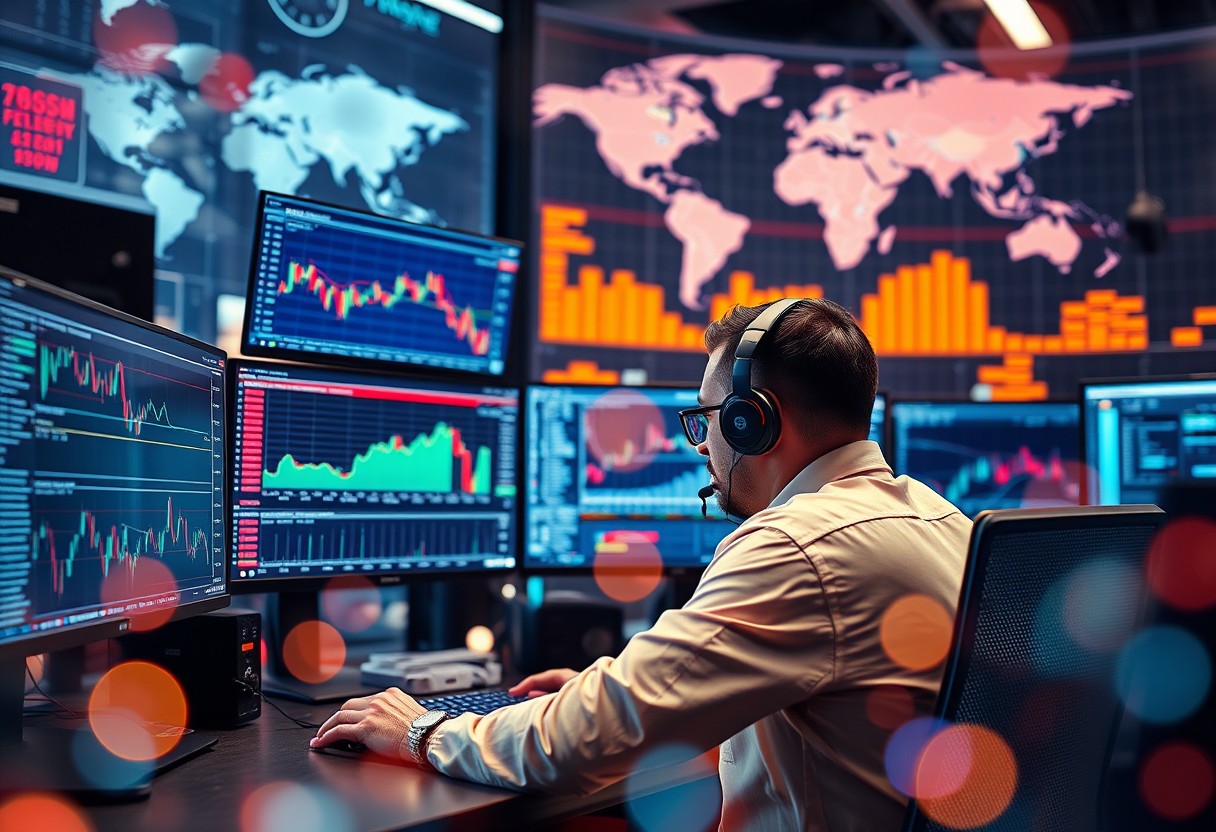
Virtual Private Servers (VPS) in Forex Trading
Now, it’s important to understand the role of Virtual Private Servers (VPS) in Forex trading. A VPS is a virtualized server that functions like a dedicated server but is actually hosted on a physical server that is shared with other users. This technology allows traders to execute trades with low latency, ensuring that orders are processed quickly and efficiently. With the right VPS provider, your trading platform runs on a reliable and high-performance server, minimizing delays that could negatively impact your trading performance.
What is a VPS?
The concept of a VPS might seem complex, but it importantly provides you with access to a dedicated server environment without the heavy financial burdens associated with renting an entire physical server. This means that you can install your desired trading software and run expert advisors or algorithms from a location that is optimally positioned in relation to Forex markets, improving trade execution speed. A VPS setup ensures your trading platform remains online 24/7, so you can capitalize on market fluctuations at any hour.
The virtualization technology allows multiple users to operate independently within the same server while maintaining their own distinct settings and configurations. For Forex traders, this means that you can trade from any location, using any device, as long as you have an internet connection. This flexibility, combined with reduced latency, gives you a significant competitive edge over traders who rely solely on local setups.
Advantages of Using a VPS for Forex
The advantages of utilizing a VPS for Forex trading are significant. Firstly, a VPS reduces latency, which is crucial for executing trades at the right time. With the market moving rapidly, even a fraction of a second can make a substantial difference in your results. A good VPS provider is often located close to your broker’s data center, leading to improved execution speeds and fewer slippages during high volatility periods.
Furthermore, a VPS allows you to run your trading platform uninterrupted, irrespective of local power outages or internet connectivity issues. This ensures that your strategies, particularly automated ones, can continue to function without interruption. Your trading bots or algorithms can operate smoothly and continuously, which is vital for maximizing your potential profit during active trading hours.
Servers with high uptime and accessibility provide traders a stable environment to engage in Forex trading consistently. By selecting a reputable VPS service, you gain the reliability needed to take advantage of market opportunities promptly, thereby enhancing your overall trading experience.
Factors to Consider When Choosing a VPS
An important aspect of Forex trading is ensuring that your VPS meets all the necessary requirements to support your trading activities effectively. When choosing a VPS provider, consider the following factors:
- Location: Proximity to your broker’s server is crucial for minimizing latency.
- Performance: Look for a VPS with reliable hardware and a good reputation for uptime.
- Support: 24/7 technical support is important for troubleshooting issues that may arise.
- Security: Choose a VPS provider that offers robust security measures to protect your trading data.
Knowing which factors are important can make a significant difference in your Forex trading success. By selecting a VPS that meets these criteria, you’ll be better positioned for enhanced trading results.
With the right VPS, you can improve part of your trading strategy, ensuring fast execution speeds and seamless integration with your trading tools. Consider additional aspects such as:
- Scalability: Ensure the VPS can handle the growing needs as your trading strategies evolve.
- Cost: Assess the pricing versus features offered to ensure good value for your investment.
- Operating System: Make sure to choose an OS that is compatible with your trading software.
Knowing the critical factors will empower you to make an informed decision, leading to a more productive and successful trading experience.
Choosing the Right VPS for Low Latency
Many traders may not realize that the choice of a Virtual Private Server (VPS) can significantly affect trading success in the Forex market. A VPS with low latency facilitates faster order execution and provides you with a critical edge over the competition. When deciding on a VPS, it’s vital to consider several key factors, particularly server location, bandwidth, reliability, and software compatibility.
Server Location Considerations
On one of the most crucial aspects of choosing a VPS is its geographical location. A VPS located close to your broker’s server will generally provide less latency, which is vital for executing trades quickly. If you are trading with a broker that has servers in New York, for example, selecting a VPS in the same city can reduce the time it takes for your trade orders to reach the market. Conversely, a server located on the other side of the globe may introduce delays that can erode potential profits.
Moreover, it’s vital to be aware of the data center’s network quality and connectivity. A location with upgraded infrastructure tends to have superior low-latency connections. Before making a decision, take the time to research your broker’s server locations and ensure that your VPS is positioned to provide optimal performance for your trading strategies.
Bandwidth and Performance Metrics
The bandwidth and overall performance metrics of your VPS are equally important factors in ensuring low latency. Your VPS should offer sufficient bandwidth to handle the frequency and volume of your trades without lag. Insufficient bandwidth can lead to a bottleneck, causing delays in data transmission, which can negatively impact your trading efficiency. It’s vital to choose a VPS provider that offers high bandwidth capabilities in combination with robust systems to maintain performance during peak trading hours.
Performance metrics, such as server response time and general reliability, are crucial indicators of how effectively your VPS will facilitate your trading activities. Be sure to look for a VPS that features a solid track record of performance metrics, as this will ensure you enjoy a seamless trading experience.
Performance is not just about bandwidth; it’s also about ensuring the hardware specifications of your VPS. Look for solid state drives (SSDs) and a sufficient amount of RAM to run your trading software smoothly. Resources need to be allocated efficiently, and cutting corners on hardware could lead to performance issues just when you need your VPS to be at its best.
Reliability and Uptime Guarantees
For Forex traders, uptime reliability is paramount. Your VPS should guarantee high uptime percentages, preferably exceeding 99.9%. Downtime can lead to missed trading opportunities and potentially disastrous losses, especially in a market that operates 24/5. Be sure to scrutinize the uptime guarantees offered by different providers and investigate their history to identify any past issues.
Additionally, consider the support provided by your VPS provider. In the fast-paced world of Forex trading, you need dependable technical support that you can reach out to at any time. A great VPS provider will offer round-the-clock support to resolve issues quickly and minimize any potential disruptions to your trading operations.
Choosing a VPS provider that delivers reliable uptime guarantees can alleviate many concerns regarding trade execution. A proven provider will demonstrate consistent performance metrics that reflect their commitment to keeping your VPS running smoothly, ultimately giving you the confidence to trade effectively.
Software and Compatibility
Metrics related to software and compatibility with your trading platform are critical when selecting a VPS. Not all VPS solutions support the wide array of trading software available. Ensure that the VPS you select is fully compatible with the MetaTrader or any other platform you utilize, as this will streamline your trading process. Moreover, check for any additional software requirements that may be specific to your strategies or trading style.
Always opt for a VPS that offers the latest operating systems and software versions to ensure that you have access to the most functional tools for trading. With the right software and compatibility, you will augment your trading environment for better decision-making and execution capabilities.
Plus, consider whether the VPS provider offers easy integration with automated trading scripts. Expert advisors (EAs) can dramatically enhance your trading strategy when deployed effectively, and ensuring your VPS supports them is vital to harnessing their full potential. With the right automation tools, you can consistently seize opportunities without manual intervention.

Optimizing VPS Performance for Forex Trading
Keep in mind that the performance of your Virtual Private Server (VPS) directly impacts your trading efficiency. Optimizing your VPS settings can yield improved trading execution times and reduced latency, both of which are crucial for your success in Forex trading. By configuring your VPS appropriately, you can ensure that it operates at peak performance, enabling you to respond swiftly to market changes without any noticeable delays.
Configuring the VPS Settings
For optimal performance, you should start by selecting a lightweight operating system that minimizes resource usage. A version of Windows specific to servers or specialty Linux distributions can reduce the overhead and allow your VPS to allocate more resources to your trading applications. Additionally, make sure to regularly install updates and patches to keep your system secure and functioning smoothly, which can further enhance your trading experience.
Another crucial aspect is adjusting the resource allocation for your trading software within the VPS. You can allocate more RAM and CPU resources to ensure that your algorithms or trading platforms operate efficiently. Always monitor the resource usage and make necessary adjustments based on your trading strategies—this way, your VPS can handle peak trading times without performance degradation.
Security Measures and Best Practices
Trading in Forex involves handling sensitive financial data, making it imperative to implement strong security measures on your VPS. Start by using a reputable antivirus program and ensure that your firewall is correctly configured to block unauthorized access. This protective layer will help safeguard your trading operations against potential threats that could compromise your sensitive information.
Additionally, always use strong, unique passwords for your VPS account, and consider enabling two-factor authentication if available. Regularly backing up your data and employing encryption techniques for your files further enhances the security of your trading environment, protecting you from possible data loss or breaches.
Plus, it’s vital to establish a routine for regularly updating your security software and reviewing your security settings. Staying proactive in these aspects can significantly mitigate the risks associated with Forex trading, thereby allowing you to focus on your strategies instead of worrying about potential security threats.
Managing Resources Efficiently
On top of configuration and security, managing your VPS resources efficiently can lead to better trading outcomes. It is vital to monitor the performance of your VPS regularly, keeping an eye on resource utilization metrics. By understanding how much CPU, RAM, and bandwidth your trading applications consume, you can make informed decisions on whether to upgrade your VPS or fine-tune your setup.
Taking the time to prioritize and manage resources effectively will enable you to ensure that your most critical trading applications have the necessary resources when they need them the most. This proactive approach to resource management can help you maintain a competitive edge in the fast-paced world of Forex trading.
Practices such as periodically reviewing active applications and terminating those that aren’t vital will also free up additional resources for your trading needs. This can result in smoother and faster execution of trades, further optimizing your overall trading experience. By applying these principles, you’ll be better positioned to focus on your Forex trading strategies with peace of mind about your VPS performance.
Comparing VPS Providers
Unlike traditional hosting solutions, VPS providers offer specialized services tailored for forex trading. Evaluating different options can help you choose a provider that meets your specific needs. To assist you in this process, we have compiled a comparison table of some necessary factors that set various VPS providers apart.
| VPS Provider | Key Features |
|---|---|
| Provider A | Low latency, 24/7 support, data backup |
| Provider B | High-speed connections, free setup, customizable plans |
| Provider C | Robust security, multi-location servers, competitive pricing |
Key Features to Evaluate
When identifying a VPS provider for forex trading, it’s crucial to evaluate several key features that will influence your trading experience. These elements can significantly impact latency, uptime, and ultimately, your trading success. A reliable VPS should offer:
- Low Latency: Minimal delays for faster order execution.
- High Uptime: 99.9% or higher to ensure your trading activities aren’t interrupted.
- Scalability: Options to upgrade as your trading needs grow.
- Secure Infrastructure: Protection against cyber threats to safeguard your sensitive data.
- Multiple Server Locations: Close proximity to your broker to reduce latency.
After considering these features, you will be better equipped to make an informed choice that supports your trading strategies and goals.
Cost-Effectiveness and ROI
For any forex trader, understanding the cost-effectiveness of a VPS provider is necessary. You want to ensure that the money you invest yields the most significant return on investment (ROI). Look for providers that offer various pricing tiers, so you can find an option that aligns with your budget while still maintaining quality. This balance helps you maximize your resources and keeps your trading operations running smoothly.
Features that contribute to the overall cost-effectiveness of a VPS include bundled services, flexibility in contract terms, and transparent pricing models. By evaluating these factors, you can ensure that the VPS you choose does not drain your financial resources while providing the support you need for your forex trading activities.
Customer Support and Service Levels
Evaluate the customer support options offered by your potential VPS providers, as effective support can make or break your trading experience. In high-stakes situations where every second counts, you want to know that help is available at a moment’s notice. Look for 24/7 customer support via various channels such as live chat, email, or phone. Support quality should also be high, with knowledgeable representatives who can resolve issues promptly.
Plus, consider reading reviews from other traders to gauge the service levels you can expect. Having reliable support ensures you remain focused on your trading without worrying about potential technical problems. Ultimately, this contributes to a smoother trading experience and can help you maximize your profitability.
Future Trends in Forex Trading and VPS
Despite the ever-evolving landscape of Forex trading, the advent of technology continues to shape its future. One of the most significant advancements making waves is the utilization of How the Best Forex VPS Can Make a Difference. As trading platforms become more sophisticated, your choice of Virtual Private Server (VPS) could become a critical factor in your overall trading success. This increasing reliance on low latency and high-speed connections underscores the need for robust infrastructure to accommodate rapid trade execution and data analysis.
Emerging Technologies and Their Impact
Emerging technologies such as artificial intelligence, machine learning, and blockchain are redefining Forex trading paradigms. These tools not only enhance your trading strategies but also provide you with valuable insights into market trends and behaviors. The integration of AI algorithms allows for better prediction models, which could significantly increase your chances of making profitable trades. Furthermore, blockchain technology ensures a higher degree of transparency and security in transactions, which can build your trading confidence.
The Growing Importance of Data Centers
Centers of data management are increasingly becoming vital in the Forex trading realm. As traders like you seek ultra-fast execution speeds, the role of geographically distributed data centers cannot be overlooked. These centers reduce latency, thus providing you with a competitive edge in executing trades more rapidly than others in the market. The proximity of your VPS to key financial data locations can also affect the speed at which you can respond to market changes, making data centers a crucial focus in your trading strategy.
Another aspect to consider is that with the rise of remote trading permissions and cloud computing, data centers are evolving to accommodate greater flexibility and scalability for traders like you. This evolution allows you to adjust your resources based on your trading volume, ensuring that you can manage your operations efficiently without incurring additional unnecessary costs.
Adapting to Changing Market Conditions
An crucial skill in Forex trading is your ability to adapt to changing market conditions swiftly. The forex market is highly volatile, driven by economic data releases, geopolitical events, and market sentiment. With a reliable VPS, you can leverage algorithms and automated trading solutions that allow you to respond to market fluctuations rapidly. This adaptability is vital for optimizing your trading strategies and maintaining your profitability even in tough times.
Growing uncertainties can pose risks to your trading operations; however, the right VPS services can provide real-time market data and ongoing analytics to help you make informed decisions. Staying ahead requires not only technical precision but also a profound understanding of the market trends, which can be significantly enhanced through adaptive VPS technologies tailored to your specific trading needs.
Conclusion
Taking this into account, it is crucial for you as a forex trader to understand that low latency plays a significant role in your trading performance. In the competitive world of forex, every millisecond counts, and delays in trade execution can lead to substantial losses or missed opportunities. By opting for a specialized Virtual Private Server (VPS) designed for trading, you can ensure that your trades are executed promptly and efficiently, thus enhancing your overall trading experience. When opting for your VPS, prioritize those with the lowest latency possible to critical trading platforms and liquidity providers; this is a vital move to stay ahead in the fast-paced forex market.
Moreover, choosing the right VPS not only minimizes latency but also offers you a stable and secure environment for your trading activities. This reliability can enhance your confidence in executing trades, which is imperative for making timely decisions in the forex market. Remember that a well-chosen VPS empowers you to respond quickly to market changes, optimize your trading strategies, and ultimately improve your profitability. By prioritizing low latency and a reliable VPS, you are setting the foundation for success in forex trading.
FAQ
Q: What is low latency in Forex trading?
A: Low latency in Forex trading refers to the minimal delay between sending an order to the broker and the execution of that order. High latency can result in slower trade execution and reduced efficiency, while low latency allows for quicker transactions, which is crucial for taking advantage of small price movements in the Forex market.
Q: Why is low latency important for Forex traders?
A: Low latency is crucial for Forex traders because it directly impacts their ability to react to market changes in real-time. In the fast-paced Forex market, even a few milliseconds can make a difference in profit or loss. Low latency ensures that traders can execute orders promptly, minimizing the risk of slippage and increasing the likelihood of capturing the desired price.
Q: How does a VPS contribute to achieving low latency in Forex trading?
A: A Virtual Private Server (VPS) provides traders with a dedicated and optimized environment for executing trades. By using a VPS located near the broker’s data centers, traders can significantly reduce latency. This allows for faster order execution, better connectivity, and more reliable trading experiences, which are vital for successful Forex trading.
Q: What factors influence latency in Forex trading?
A: Several factors influence latency in Forex trading, including internet speed, server location, network congestion, and the performance of the trading platform. Using a VPS with a stable and high-speed internet connection, as well as servers located close to your broker, can help mitigate latency issues and enhance trading performance.
Q: How do I choose the right VPS for Forex trading?
A: When choosing a VPS for Forex trading, consider factors such as server location (preferably close to your broker), sufficient RAM and CPU power, high-speed internet connectivity, low latency performance, and reliability of the service provider. Additionally, check for customer support availability and the ability to handle spikes in trading activity.
Q: What are the risks of using a VPS for Forex trading?
A: While using a VPS can enhance performance, there are some risks involved. These include potential downtime of the VPS provider, latency issues if the server location is not optimal, and security vulnerabilities if the VPS is not adequately protected. Traders should choose a reputable provider and implement security measures to mitigate these risks.
Q: Can I improve my trading performance without a VPS?
A: While it is possible to trade without a VPS, doing so may limit your performance, particularly in terms of latency. Traders who rely on a personal computer may experience slower execution speeds, especially during high-volume trading periods. A VPS helps maintain lower latency and improves overall trading efficiency, giving traders an edge in a competitive market.